Login Register

Sacred city · Uttar Pradesh

About Ayodhya Ji

An ancient city of faith, heritage and culture on the banks of the Saryu river — and the proud host city of 32nd UPASICON 2026.

A city rooted in epic memory

Ayodhya is among India’s most significant historic and spiritual cities. Identified in the Ramayana as the capital of the ancient Kosala kingdom and the birthplace of Lord Rama, it has remained a living centre of devotion, scholarship and cultural tradition for centuries.

Situated on the banks of the sacred Saryu (Sarayu) river, Ayodhya is counted among the seven most important pilgrimage cities of Hinduism. Its temples, ghats, festivals and storytelling traditions continue to shape the city’s identity today.

For conference delegates, Ayodhya offers a rare blend of academic hospitality and spiritual atmosphere — inviting quiet reflection by the riverfront as well as visits to temples and heritage landmarks between scientific sessions.
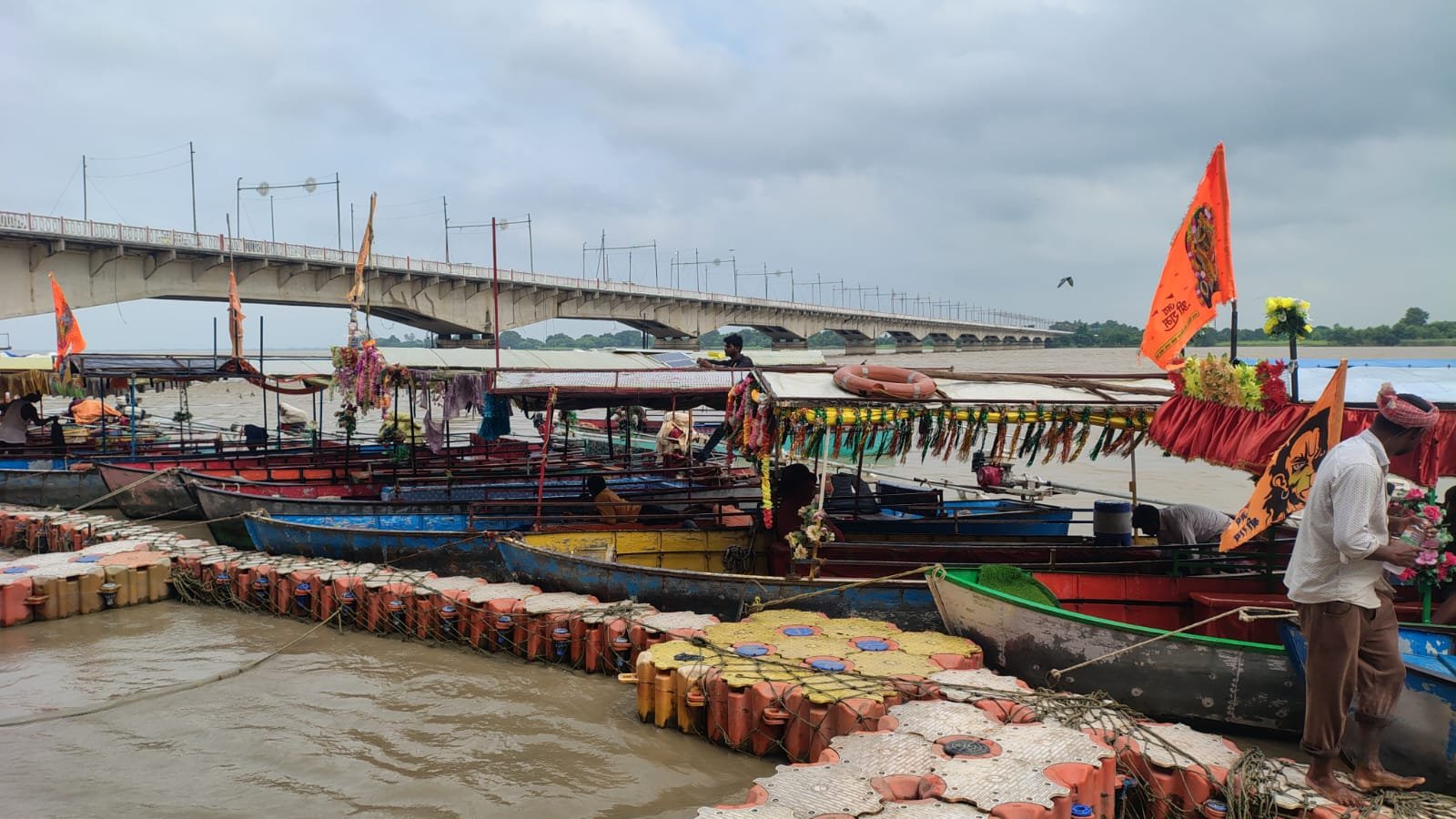
Saryu Ghat, Ayodhya
Saryu riverfront, Ayodhya

History

Through the ages

Ayodhya’s story stretches from sacred legend to recorded dynasties, pilgrimage networks and modern revival.

Ancient period

Kosala & the Ramayana

In classical literature, Ayodhya is remembered as the royal seat of the Ikshvaku lineage and the setting of Lord Rama’s life. The city’s sacred geography — river, forests and royal precincts — became central to later Hindu pilgrimage culture.

Early historic era

Saketa & Buddhist links

In early historical sources the settlement is also known as Saketa. The wider region was part of important trade and religious routes of northern India, with Hindu, Buddhist and Jain associations over different periods.

Medieval centuries

Temples, ghats & courts

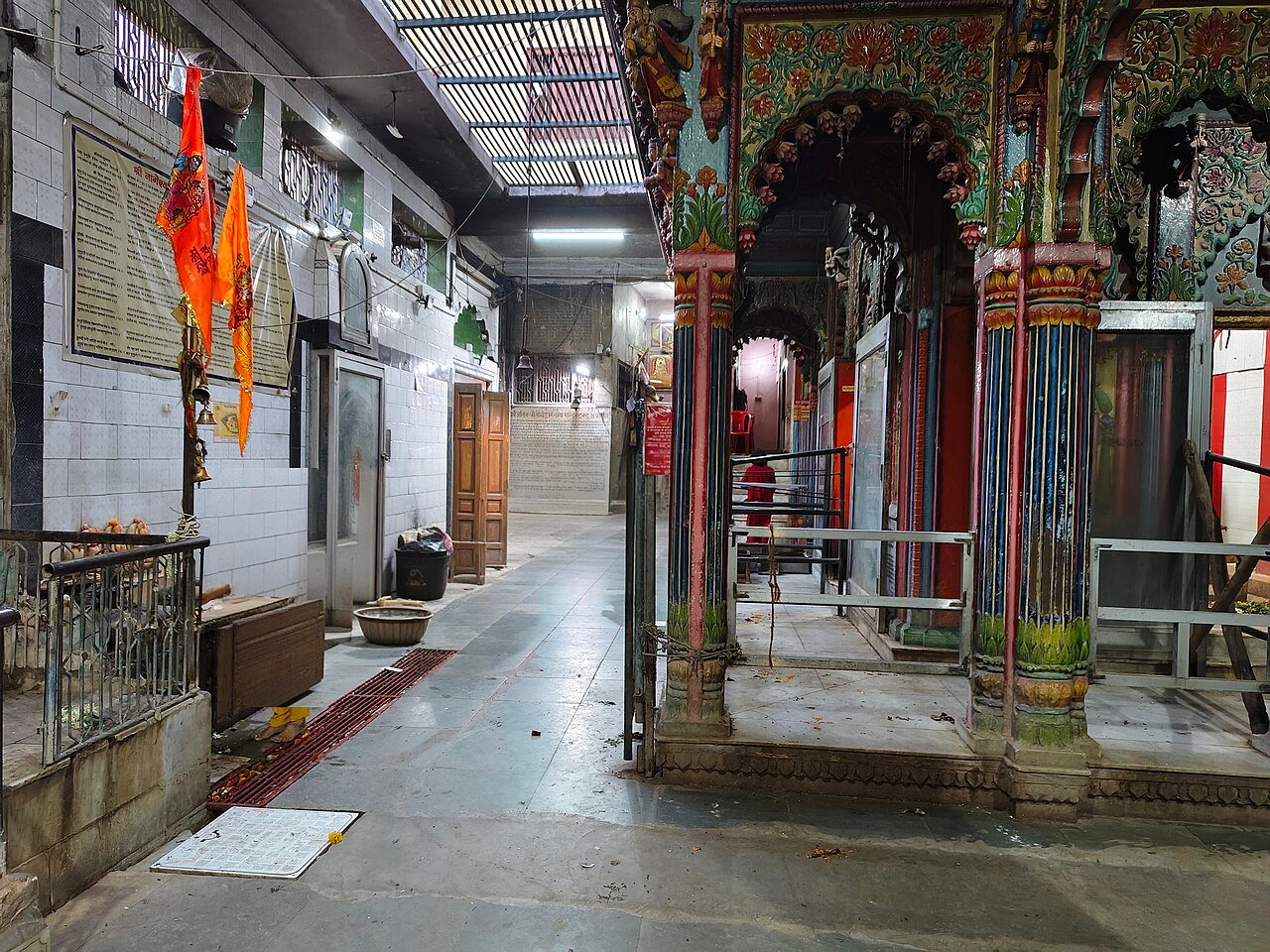
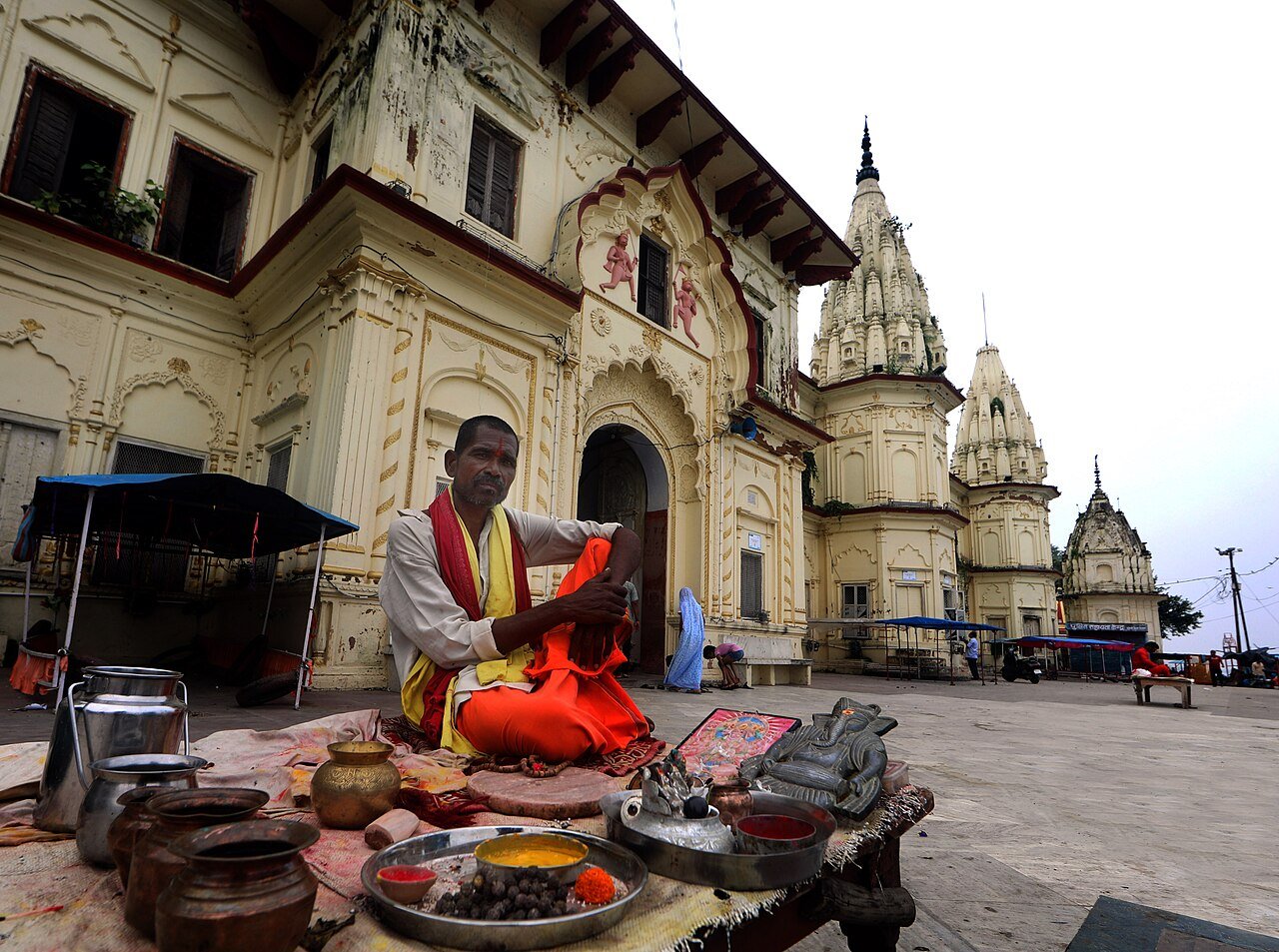
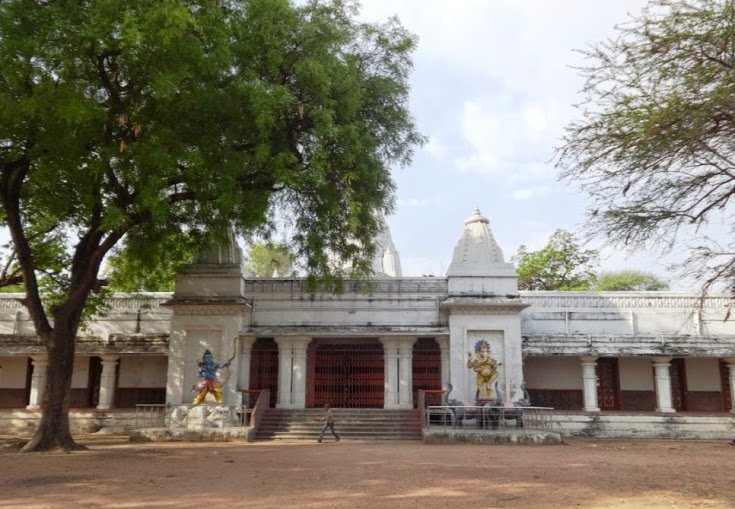
Through the medieval period Ayodhya and neighbouring Faizabad remained connected to temple life, river rituals and regional power centres. Sacred sites such as Hanuman Garhi and Nageshwarnath Temple became enduring landmarks of the city’s devotion.

Literary flowering

Tulsidas & Ramcharitmanas

Ayodhya’s cultural memory was enriched by the Bhakti movement. Goswami Tulsidas’s Ramcharitmanas brought the Rama story into the language of the people, strengthening Ayodhya’s place in North India’s spiritual imagination.

Modern Ayodhya

Pilgrimage city renewed

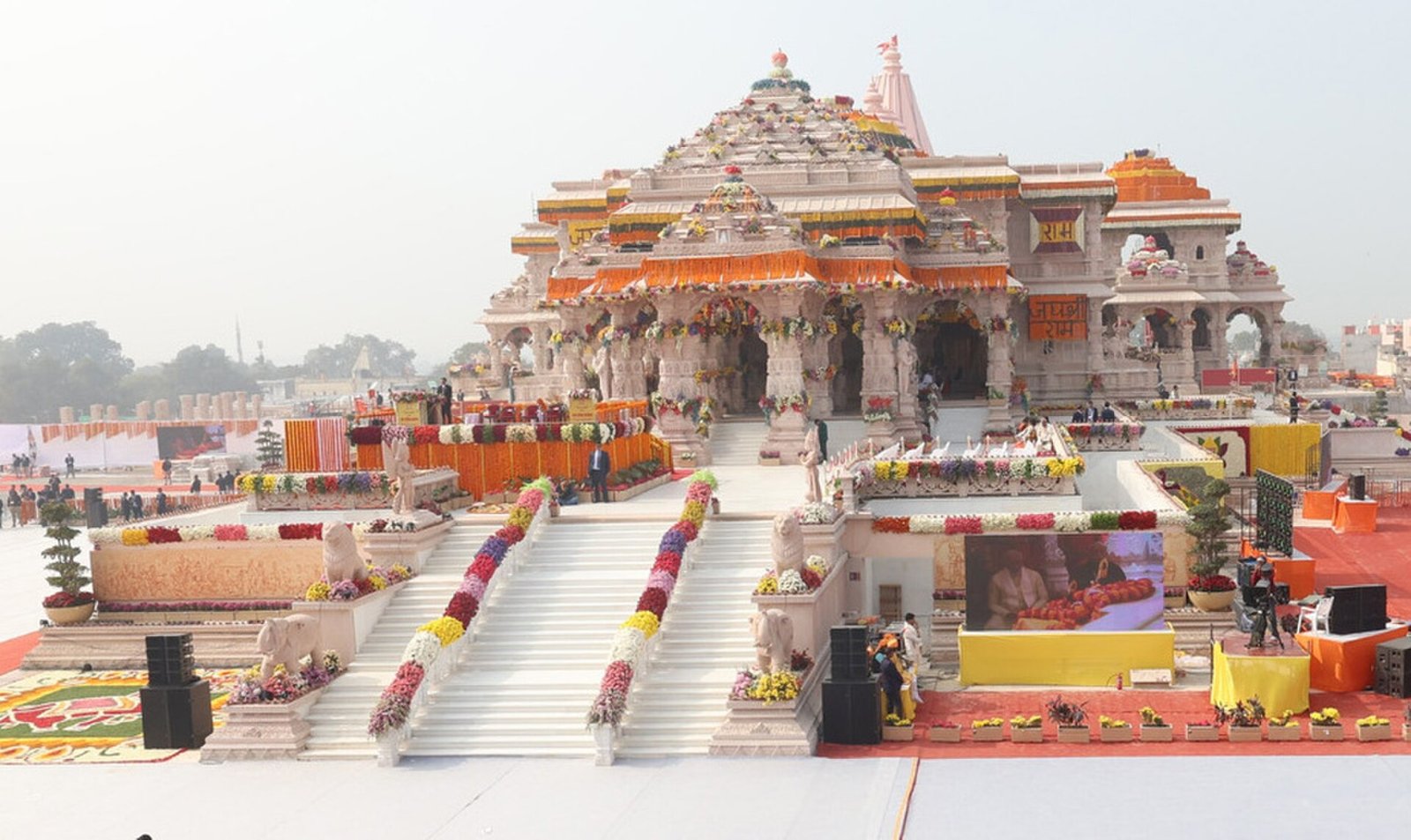
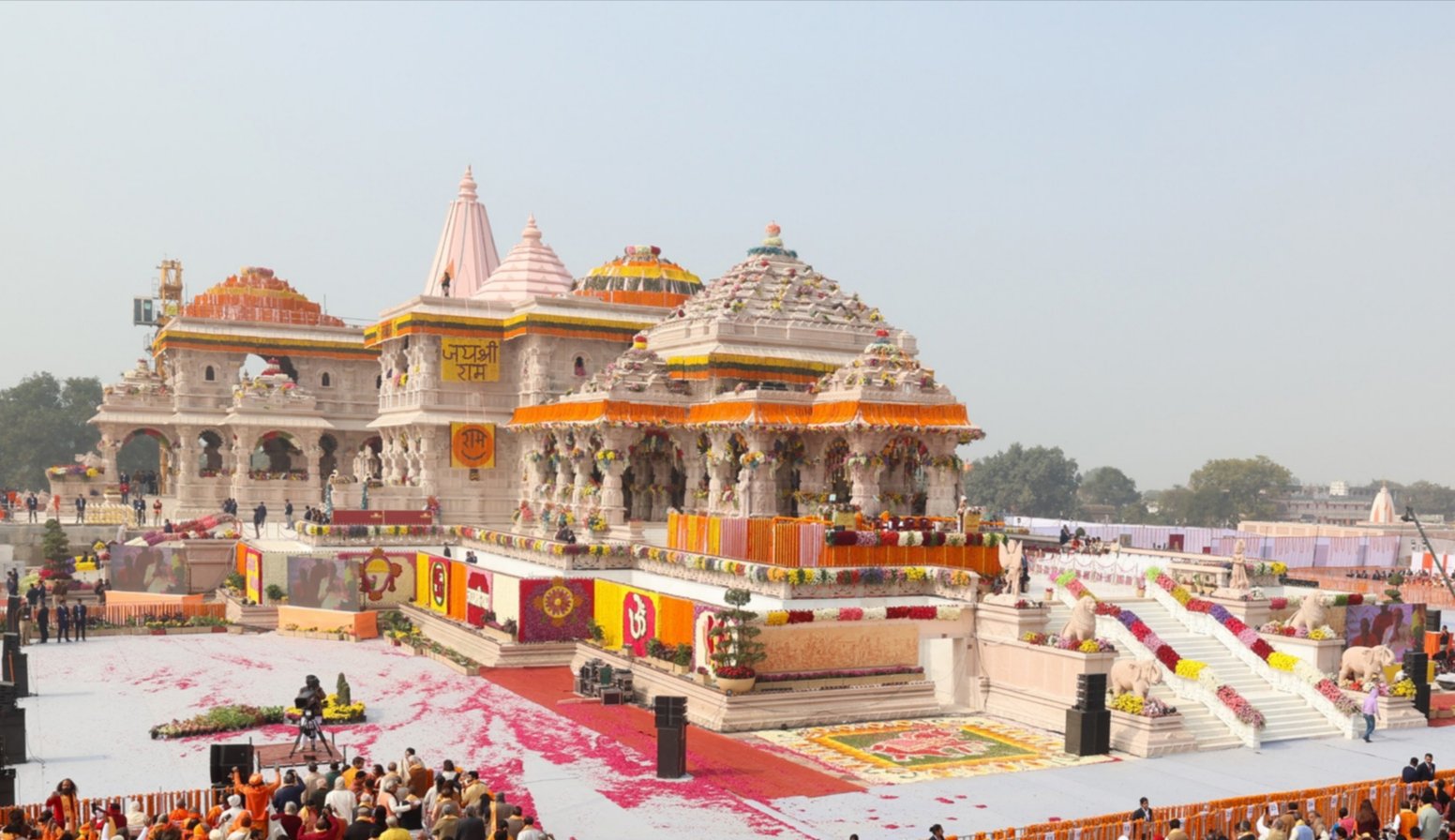
In recent decades Ayodhya has grown as a major pilgrimage and tourism destination, with renewed attention to ghats, temples, infrastructure and civic amenities. The consecration of the Ram Janmabhoomi Temple has further deepened the city’s global recognition.

Today

Faith, culture & learning

Contemporary Ayodhya welcomes pilgrims, scholars and visitors from across India and abroad. Hosting UPASICON at RDASMC places anatomical science in dialogue with a city long associated with knowledge, tradition and community.

For conference guests

Between scientific sessions, delegates can experience evening aarti at the Saryu ghats, visit historic temples, enjoy local cuisine, and explore nearby cities with strong rail and road links.